As a GenXer with extensive knowledge about popular music, I find it difficult to resolve this question. The question is, who has had more influence on music and music culture?
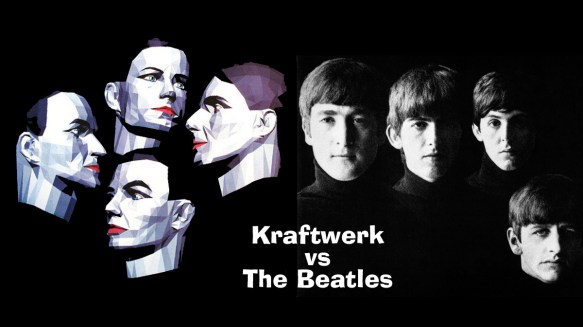
This short video piece by DW proudly claims that the answer is Kraftwerk. It’s fun to watch because they didn’t get the same respect in Germany that they first got in places like Detroit, New York and Sao Paulo until many decades later.
I am not sure I can agree with the video or not. I would love to find out what our readers think. Please, by all means, leave a comment below!
“Fly Me to The Moon,” a classic song with a timeless allure, has captured the hearts of generations since its inception. Written by Bart Howard in 1954, this iconic tune has been covered by numerous artists, finding its way into movies, commercials, and cultural references. Let’s delve into the history, significance, and enduring popularity of “Fly Me to The Moon.”
The Origin and Inspiration Bart Howard, the songwriter behind “Fly Me to The Moon,” composed the piece originally titled “In Other Words.” Inspired by the burgeoning space race of the 1950s and 60s, Howard’s lyrics embodied a yearning to escape the confines of Earth and venture into the vast unknown. The song’s title was later changed to the more recognizable “Fly Me to The Moon,” reflecting its dreamy and aspirational essence.
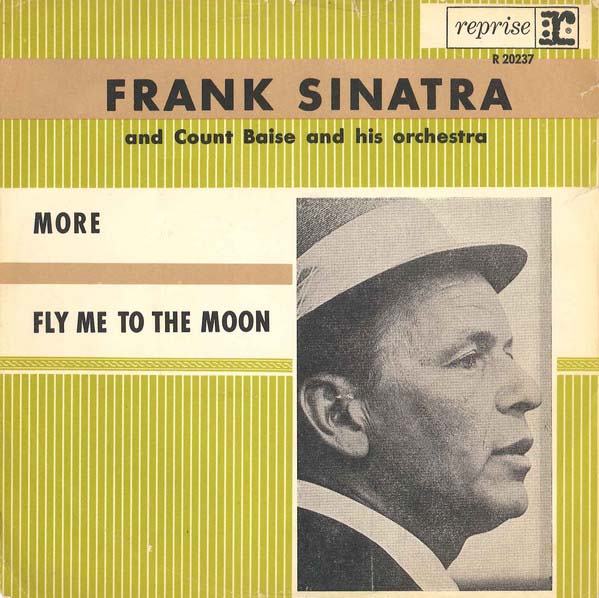
original 7 inch single
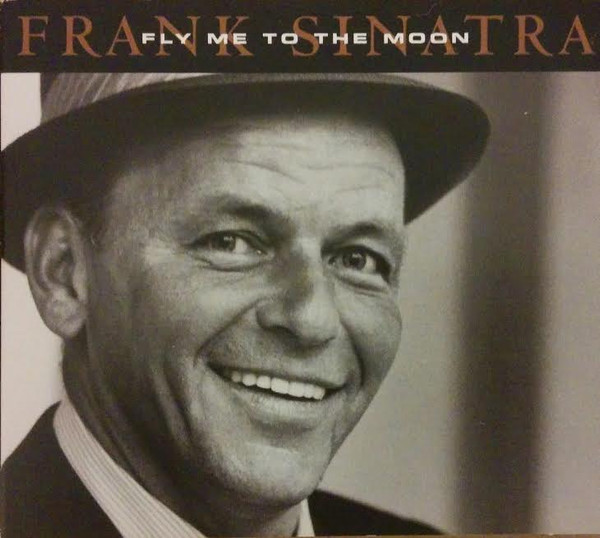
Frank Sinatra’s Signature While the song gained popularity in its early years, it was Frank Sinatra’s rendition that truly catapulted it to stardom. Sinatra’s 1964 recording of “Fly Me to The Moon” became synonymous with the Apollo space missions and the broader spirit of exploration during that era. His velvety voice and impeccable phrasing infused the song with a sense of romance and adventure.
Cultural Impact “Fly Me to The Moon” has transcended its original context to become a cultural touchstone. Its inclusion in various films, TV shows, and commercials has kept the song alive in the collective consciousness. The song’s themes of love, dreams, and escapism make it relatable across generations, ensuring its place in modern pop culture.
Cover Versions and Interpretations Over the years, countless artists have put their own spin on “Fly Me to The Moon,” showcasing its versatility and timelessness. From jazz and pop artists to instrumental ensembles, each interpretation adds a unique layer of emotion and style to the song. The song’s adaptability has allowed it to resonate with different musical sensibilities.
Legacy and Enduring Appeal “Fly Me to The Moon” continues to hold a special place in music history. Its elegant melodies and evocative lyrics evoke a sense of nostalgia while remaining relevant to contemporary audiences. The song’s enduring appeal is a testament to its ability to evoke emotions and capture the imagination, reminding us of the human desire to explore and connect.
Conclusion “Fly Me to The Moon” stands as a testament to the power of music to transcend time and space. From its origins as a reflection of the space race to its status as a romantic and aspirational anthem, the song’s journey has been nothing short of remarkable. With its ability to touch hearts and minds across generations, “Fly Me to The Moon” will likely continue to enchant listeners for many years to come.
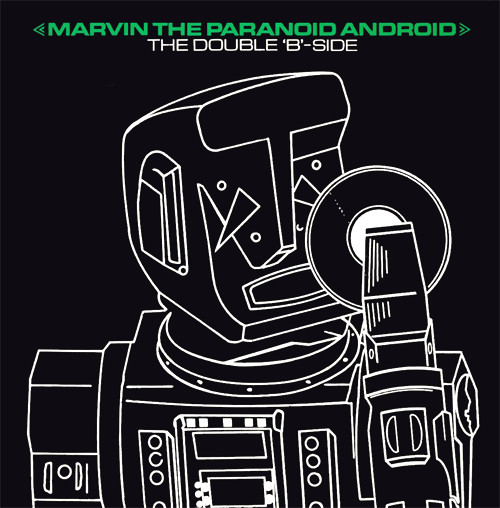
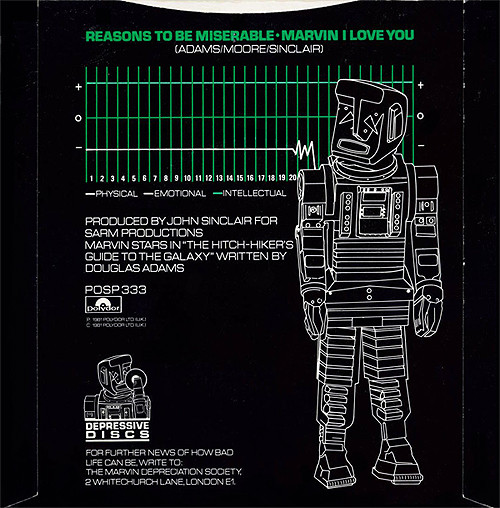
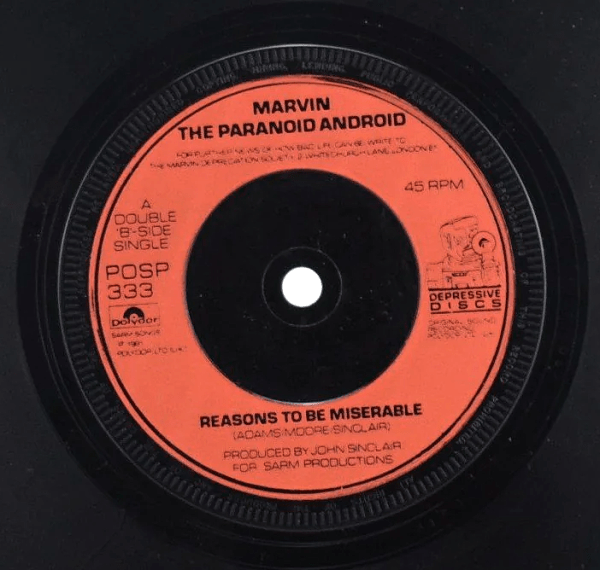
“Reasons To Be Miserable” was released in 1981 in the UK only. It was the ‘A’-Side of 45 RPM 7 inch release called The Double ‘B’-Side on Depressive Discs (Polydor).
The part of Marvin is voiced by Stephen Moore, the same actor that voiced the emotionally disturbed android in the 1981 BBC Television miniseries based on The Hitchhiker’s Guide to The Galaxy series of novels and stories by Douglas Adams. If you are a fan of the books or the movie, I highly recommend that you check out the BBC TV miniseries. It’s brilliant and campy. I love it. Here is a clip from the series.
You can also check out the BBC Radio series that was first broadcast in 1978.
The song involves Marvin describing his views on life (“I’d feel a little better if they broke me up for spares”, “If I had my time again, I’d rather be a lemming”), to a rather clever synthpop backing track.
Apparently the title is a reference to the hit song “Reasons to be Cheerful, Part 3” by Ian Dury and The Blockheads.
You can still find copies of the record for sale today on the secondary market but the prices are kind of out there.
front side of the sleeveback side of the sleeveclose up on the label
First there was the Thriller Video by Michael Jackson. You know it. You love it. It was a big hit on MTV when it first came out in 1984.
The dance routine in the original video is sublime and the most famous part of the video. Countless recreations have occurred in professional stage shows, school performances, Rocky Horror Picture Show local cast pre-shows, and so on.
A movie director in India decided to make a knock-off tribute called “Goli Maar” the next year. It was part of a movie called Donga
There are a number of crude uploads to YouTube, None of them are in great shape. The audio quality is always crap. The song does not appear to be available for digital download on Amazon. I wish the original recording would resurface so we can get a proper remaster. I consider it a cult-classic.
This versions is not too bad but they over saturated the colors.
Then a dance group in Japan remade the video (but not the song) in 2009.
Wait there’s more! Somebody did a remix/mashup in 2015. Somehow the video quality is best in this version.
Have a happy Halloween and do share this little story with your favorite wacky Halloween lover.
Today is National Kissing Day. Can you think of a more appropriate song for the occasion?
We love covers here. Who better to cover than Prince? This track was released back in 1988 only two years after the original. It reached high positions in the global pop charts and as such remains Art of Noise‘s biggest hit. They also received an MTV Music Video Award.
After recording a number of country-pop style tracks, Welsh singer Tom Jones made a left-field decision to cover “Kiss”. It ended up reviving his career.
WalesOnline did a study using Spotify data back in 2016. Jone’s “Kiss” was rated the 14th most dance-able song of all time. The caveat is that about 8% of all pop music does not appear on Spotify. That beat out Daft Punk who came in at 18 with “Around The World”.
Do you think this track is really that danceable? Let us know in the comments.
April 18 is National Velociraptor Awareness Day! The first velociraptor fossil was found in 1923. That’s not that long ago! It seems fairly odd to me that people had no awareness of the Tyrannosaurus until the Roaring Twenties.
The Dinosaur was a dance step that people did in the 1980s. One could WALK The Dinosaur and even KILL The Dinosaur.
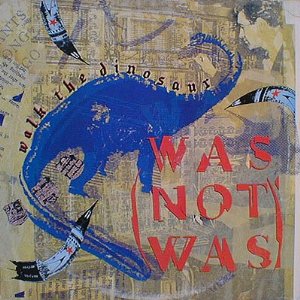
The song “Walk The Dinosaur” reached No. 7 on the US chart in 1989, two years after hitting No. 10 in the UK. It became the biggest hit single for Was (Not) Was in the USA. It’s certainly not the band’s best track in my opinion, but it’s good fun.


 FunHouse Radio